WORDS DAT Magazine
Most smart devices in your home are quietly taking notes. The robot vacuum is the strangest of them. It moves through your rooms at ankle height, building a map of where you live, and in most cases that map travels somewhere else, to a server owned by a company you will never see.
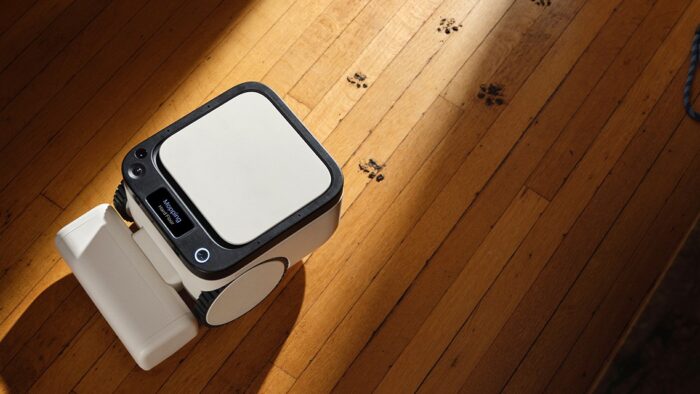
Matic built its robot vacuum around the opposite instinct. Five RGB cameras and an onboard GPU let it read a room and remember it, but the remembering happens on the machine itself. The floor plan of your home, the photographs of your living room at three in the afternoon, none of it leaves the device unless you explicitly ask it to. Cloud access is opt-in, not the default you forget to switch off.
I keep thinking about how rare that framing has become. Privacy here is not a setting buried in a menu. It is the architecture. The engineers decided what the machine would forget before they decided what it would clean.
There is a quiet radicalism in that. We have spent a decade accepting that convenience costs us a little visibility into our own homes, and we stopped noticing the trade. A vacuum that maps your space and keeps the map to itself feels almost old-fashioned, in the way a handwritten letter feels old-fashioned. Private by design, not by permission.
It runs at 55 decibels, quieter than the conversation you might have about it. Maybe that is the point. The best technology in your home should be the kind you forget is listening, because it isn’t.